
By Caroline Cooper
Primrose Hill’s Victorian nickname was ‘the island’. Subsequently it was known as ‘Chalk Farm’ until estate agents tried to market it as ‘south Hampstead’, later still as the more enticing ‘village’. Needing to separate descriptions of walks on the ‘the hill’ from those through the streets, the editors of this new guide book, Streets of Primrose Hill and Regent’s Park, adopt ‘village’, explaining that, unlike Kentish Town for example, there never was one here, just fields. (Thankfully there is no mention of a ‘high street’ – which Regent’s Park Road, in the British sense, also never was.)
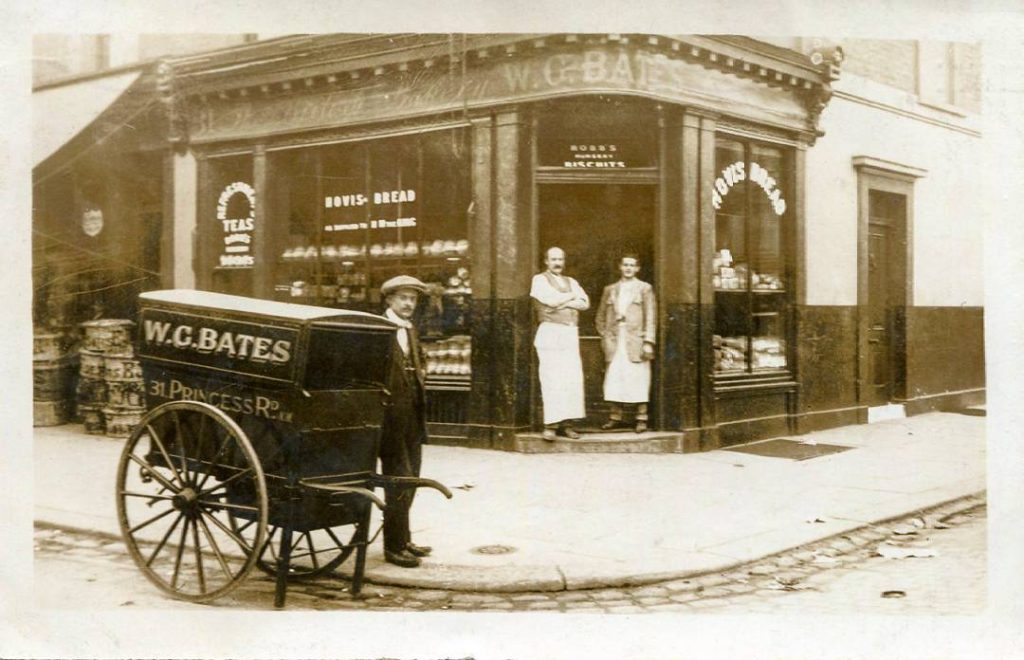
This book is the latest publication in Camden History Society’s fifteen Streets of… series of guided walks. It is the third, fullest and fattest, edition to cover our area. Three walking routes (4, 5 and 6) fill fifty pages with clear local directions, complemented by a rich and eclectic selection of illustrations – for the first time in colour – showing buildings, people and plans.

Portraits and mini-biographies of former residents are the major addition, facilitated by various new websites. Many of these people are well-known enough to be marked by English Heritage blue plaques. Others are what might be called ‘characters’. (Walthamstow has its own home-made ‘plaque’ system, such as ‘Joe Bloggs, bus driver, lived here 1997-2018’. It would be fun if Primrose Hill could do something similar.). Tactfully, there is no mention of our many living ‘celebrities’.
Buildings are of course central. There are photos of many which were demolished during the destructive 1960s: the handsome terrace of Regent’s Park Gardens, replaced by Oldfield Estate; the villa on Primrose Hill Road, today Hill View; the villas along Gloucester Avenue, today Darwin Court.

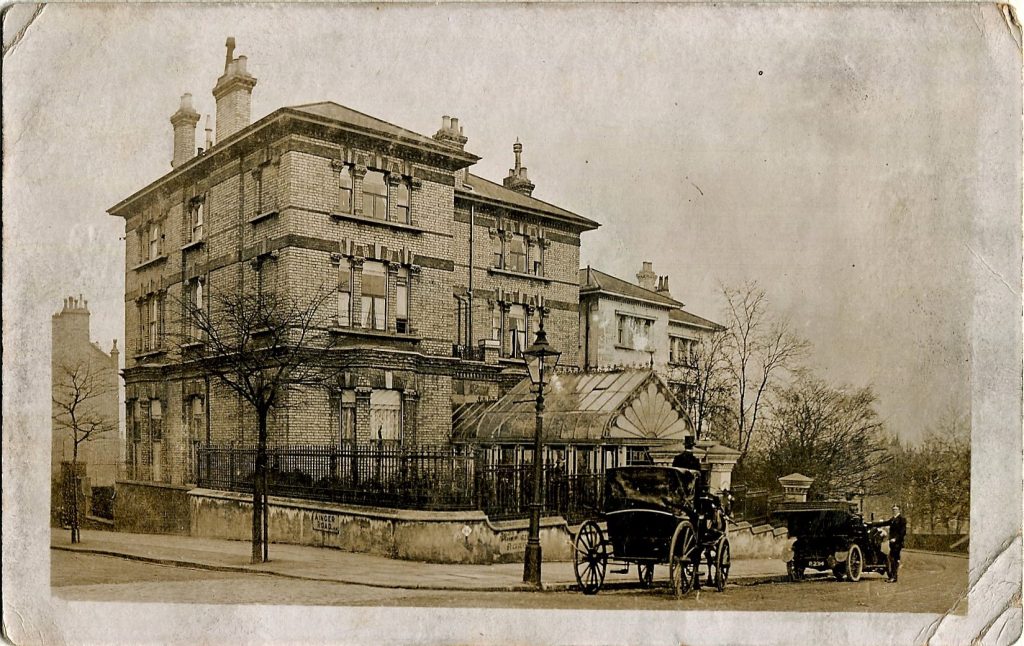
A positive consequence of these losses was the founding of the Primrose Hill Conservation Area in 1971, our local Advisory Committee first meeting the following year. It (the PHCAAC) was influential in the saving of Hopkinson’s piano factory, now our Community Centre, and in enforcing the creation of a replica of the shopfront of Sam’s Café in Chalcot Road after the original was destroyed by the restaurant owner in the mid-1980s. The PHCAAC also persuaded the architects of no. 42 Gloucester Avenue (now housing Gail’s) to incorporate the historic horse tunnels in the restaurant lower down, and to create the access slope up from the canal, making it accessible to wheelchairs and buggies. Other buildings which have been saved by local action are the facade of the long terrace, nos. 51-65 Chalcot Road (which now has modern flats behind it), and the Boys’ Home Chapel (109A Regent’s Park Road).
As anyone who lives here knows, Primrose Hill is now highly fashionable. Our streets and park are frequently used for film and fashion shoots. There might have been mention of the besieged residents of Chalcot Crescent calling it ‘Paddington Street’.
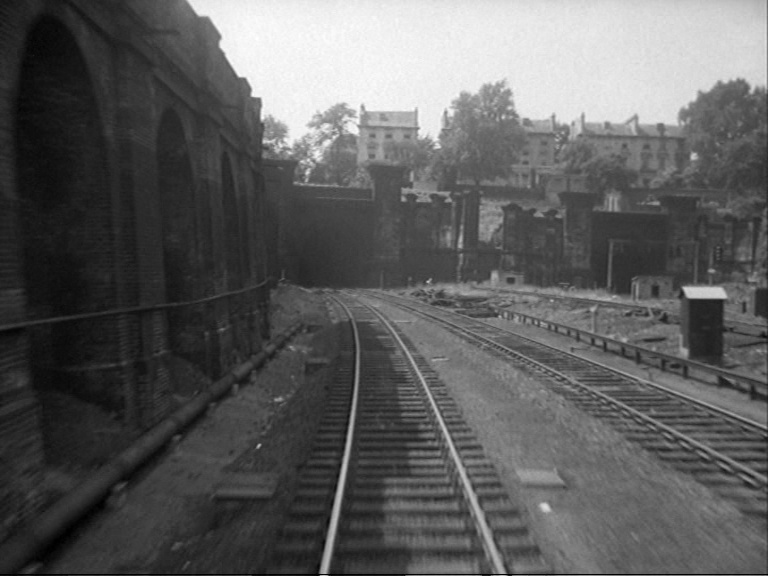
Much information which casts historical light on today’s area is unfortunately not relevant to a walks guide, but it is available in the many publications by our local historians. For example, there is a reference to ‘gentrification’, but no comment on the social effect which the final electrification of the Euston railway line in 1966 had on the desirability of this previously sooty area. (My parents bought a house here in 1946 so I am witness to this and many other changes.) The hill’s new status as a public park is explained and its being ‘enclosed around 1847’, but there is no reference to the debate as to whether or when it had railings and gates, or (of course) to the current controversy about whether it should be locked at night.
This little book is a delight to hold, and – unlike many walking guides – has easy-to-follow instructions. It opens flat and would hold its own on a windy day, though unfortunately the pale blue captions are rather faint. Because it covers a much larger area than ‘ours’ – a wide arc from Swiss Cottage to Warren Street – it should encourage Primrose Hillers to walk not only our streets with new interest and insight, but also to explore farther afield.
It is available from Primrose Hill Books for £14.95. Buy it. Then walk it.