By Peter Darley, Camden Railway Heritage Trust
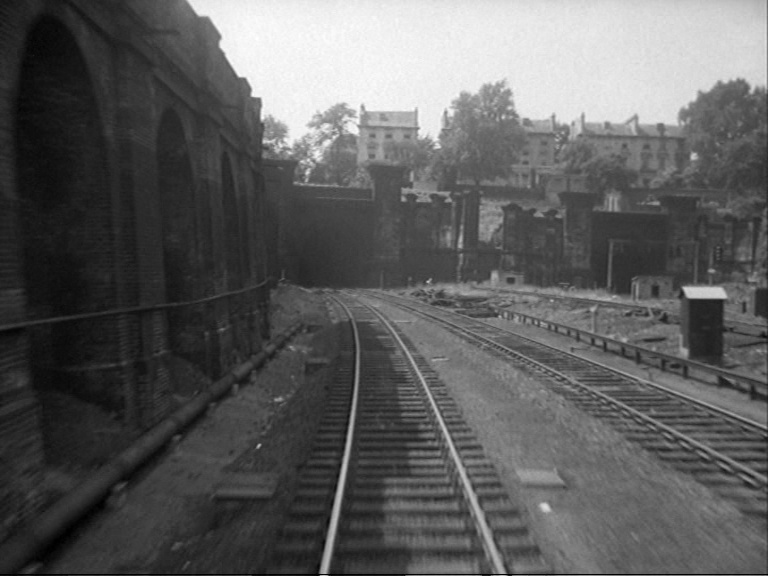
Primrose Hill residents will be aware of the development work taking place at the former Camden Goods Yard, home of Morrisons supermarket. The new high-rises sit between the North London Line (which runs between Richmond and Stratford) and the West Coast Main Line (which connects Euston to Birmingham, Manchester and beyond, and divides Primrose Hill from Camden Town). This land was raised by Robert Stephenson’s London and Birmingham Railway in the 19th century, using fill from Primrose Hill Tunnel and its approach cutting.
The site is home to the finest assembly of early railway heritage in the country as well as important canal heritage – the ‘Seven Wonders of Chalk Farm Railway Lands’, as the Camden Railway Heritage Trust (of which I am Director) has dubbed them. This complex area is poorly understood and much remains hidden, leading it to be treated as isolated pockets rather than a larger, more cohesive whole. Such fragmentation has made it easier to misinterpret and abuse its heritage, justified by so-called professional advice, often from highly reputable organisations. My book, Chalk Farm Railway Lands, 1830−2030: A Guided Tour, creates a historical baseline that should make it harder in future to misinterpret the past.
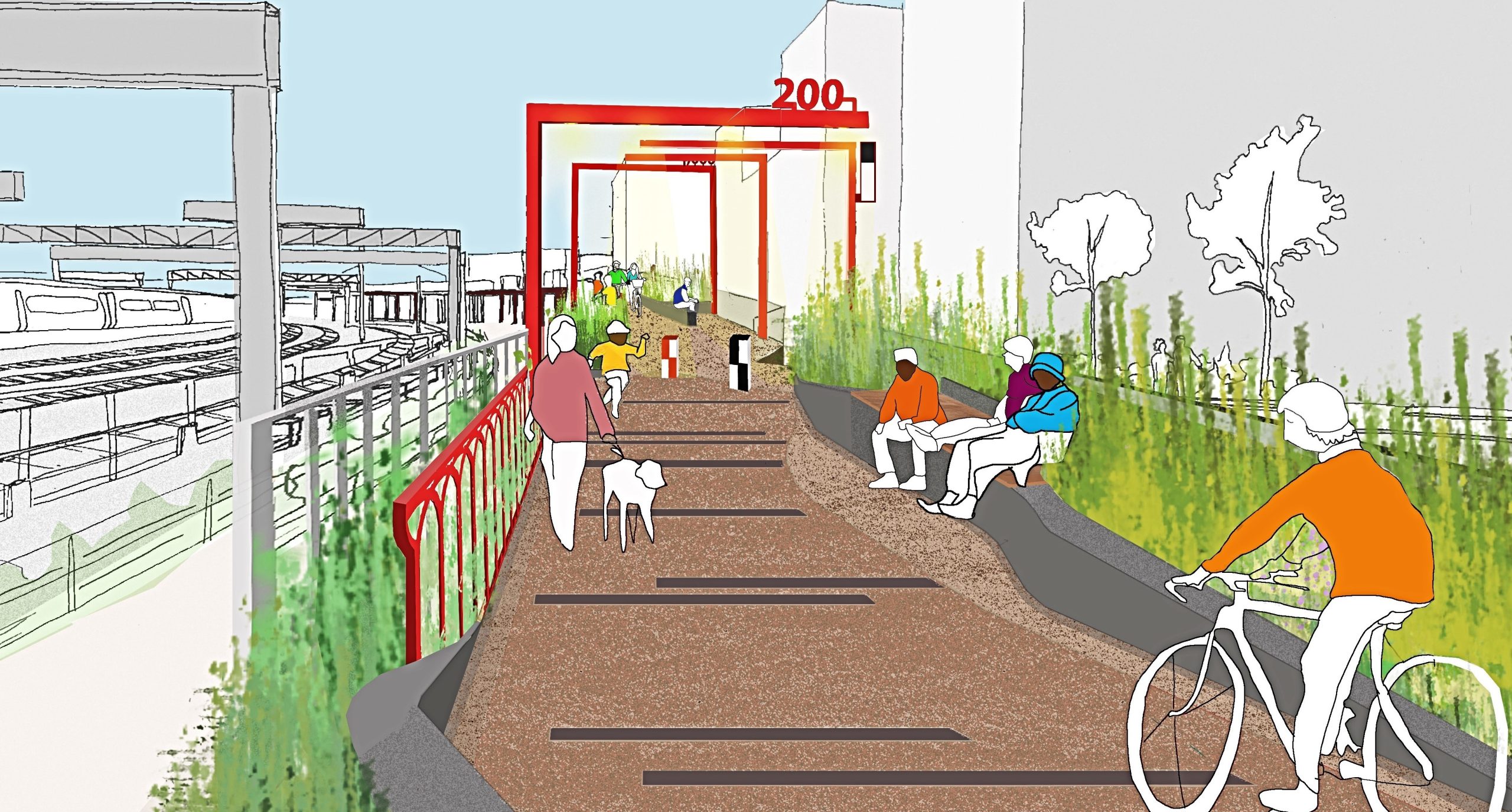
The book also furthers the Trust’s ambition to boost public awareness of this important area and to put it to a sustainable use. The Trust has commissioned a study for a proposed 500-metre pedestrian walkway and cycleway, Stephenson Walk, that will help integrate the Camden Goods Yard development with its wider urban context. The study is funded by Camden’s Community Infrastructure Levy (with thanks to local councillors Pat Callaghan and Richard Cotton).
The Walk will run from Oval Road and the canal towpath to Regent’s Park Road bridge alongside the West Coast Main Line railway, passing by Stephenson’s Stationary Winding Engine Vaults where the railway crosses the canal. These underground vaults are a remarkable survival of the London and Birmingham Railway, and internationally have historical and technological significance (they were listed Grade II* in 2010 following a successful application by theTrust). The Trust’s vision is to bring this extraordinary survivor and other features of Robert Stephenson’s local legacy into the public domain and to celebrate them in Camden Goods Yard.
Development anchored to heritage creates real benefits for both developer and the community. This is a unique area and we must cherish it. But the Trust’s ability to affect outcomes and turn the vision into reality is very limited. The Trust is therefore appealing to a consortium of site owners and other interested parties to share its vision. The Camden Goods Yard Working Group should be converted from a talking shop into a new structure that formally recognises the extent and importance of the heritage, its fragility and the need for collaboration. Let’s call this new structure the Chalk Farm Railway Lands Board and task it with promoting and celebrating our heritage, while ensuring that the commercial rewards can be shared in a coordinated manner.
The final chapter of my book sets out the Trust’s vision for the year 2030. If realised, the area would become a truly global attraction, posing questions about how to control the numbers of visitors.
You can support the Trust by buying a copy of the book, which can be obtained by emailing me with your address. They will be signed and contain details of payment. If you would like a few personal words, I shall be happy to add them.
Darleyp@aol.com
0207 586 6632