By Xandra Bingley
“It was crazy, man, but it literally showed me how short life is. For someone to lose their life over stupid gang violence is nonsense. To think that you’re with him all day and then you’re never going to see him again, it’s crazy, man. When you’ve got someone that’s more wiser than you, that’s had the experience as well, then they help you get through these difficult times, difficult situation, give you guidance.” – Ezekiel (15)
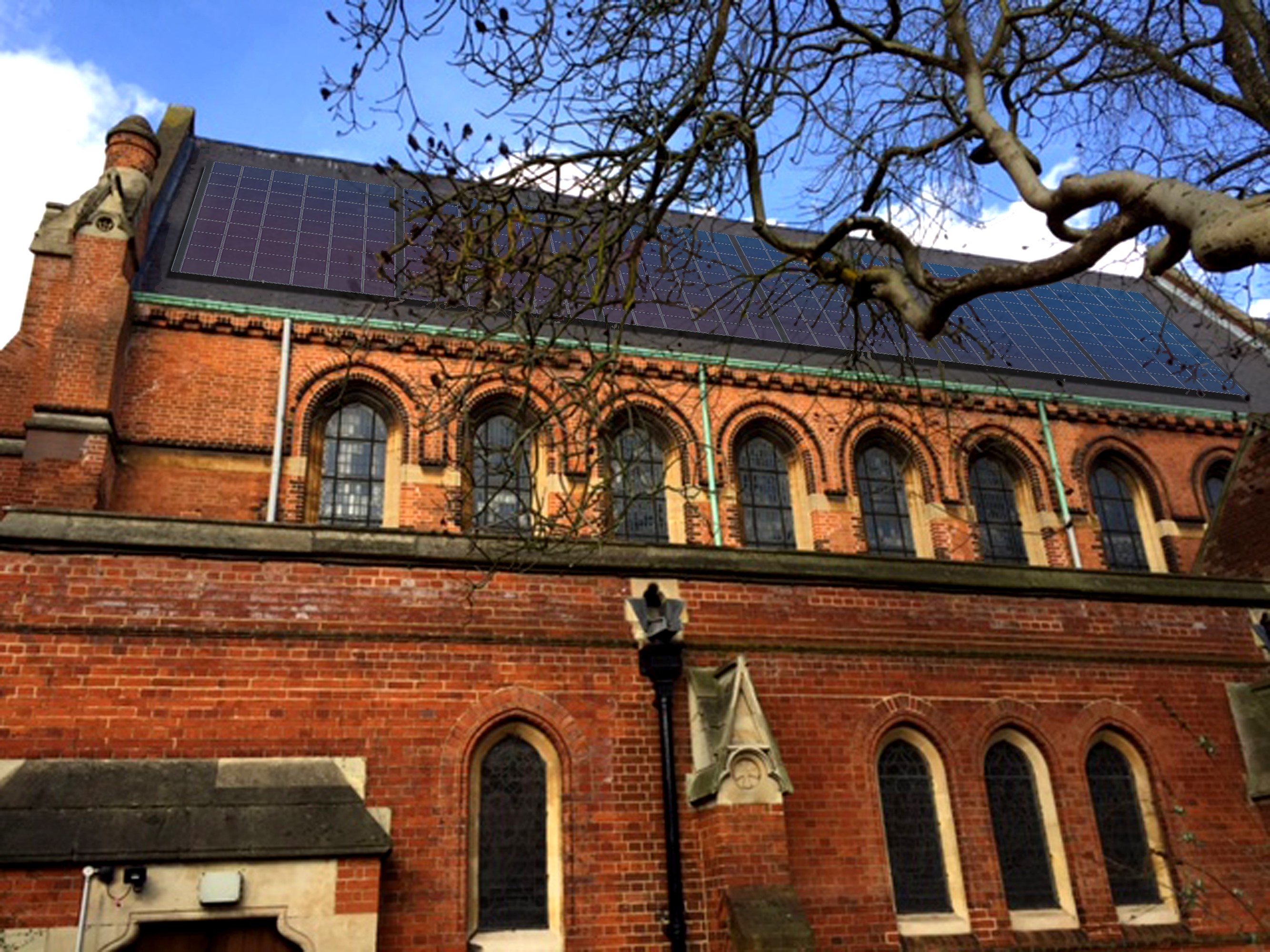
Last year, the Christmas and New Year period saw tragedy in Primrose Hill. Two young boys were murdered. Two families were left shocked and heartbroken. These are the kind of terrible events that Mary’s youth centre, based at St Mary’s church, works 365 days a year to prevent.

Come January, youth work was continuing as usual at Mary’s, dealing with the two stabbings, a new knife course for schools, remarkable data on how 24-hour mentoring reduces violence, and travelling across the UK to visit vulnerable young offenders in prison.
We can think of youth violence like an iceberg. The tip is the visible, awful deaths. Over the past 10 years, Mary’s has seen 3−5 young people die a year. Below the water is the prevalence of knife-carrying, poverty and the influence of social media, all of which have changed radically in the same 10 years.
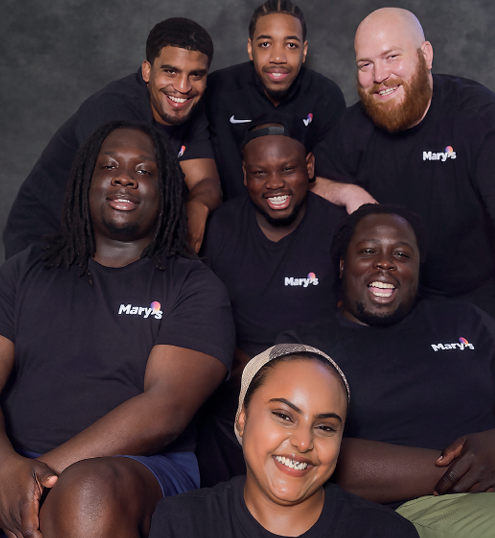
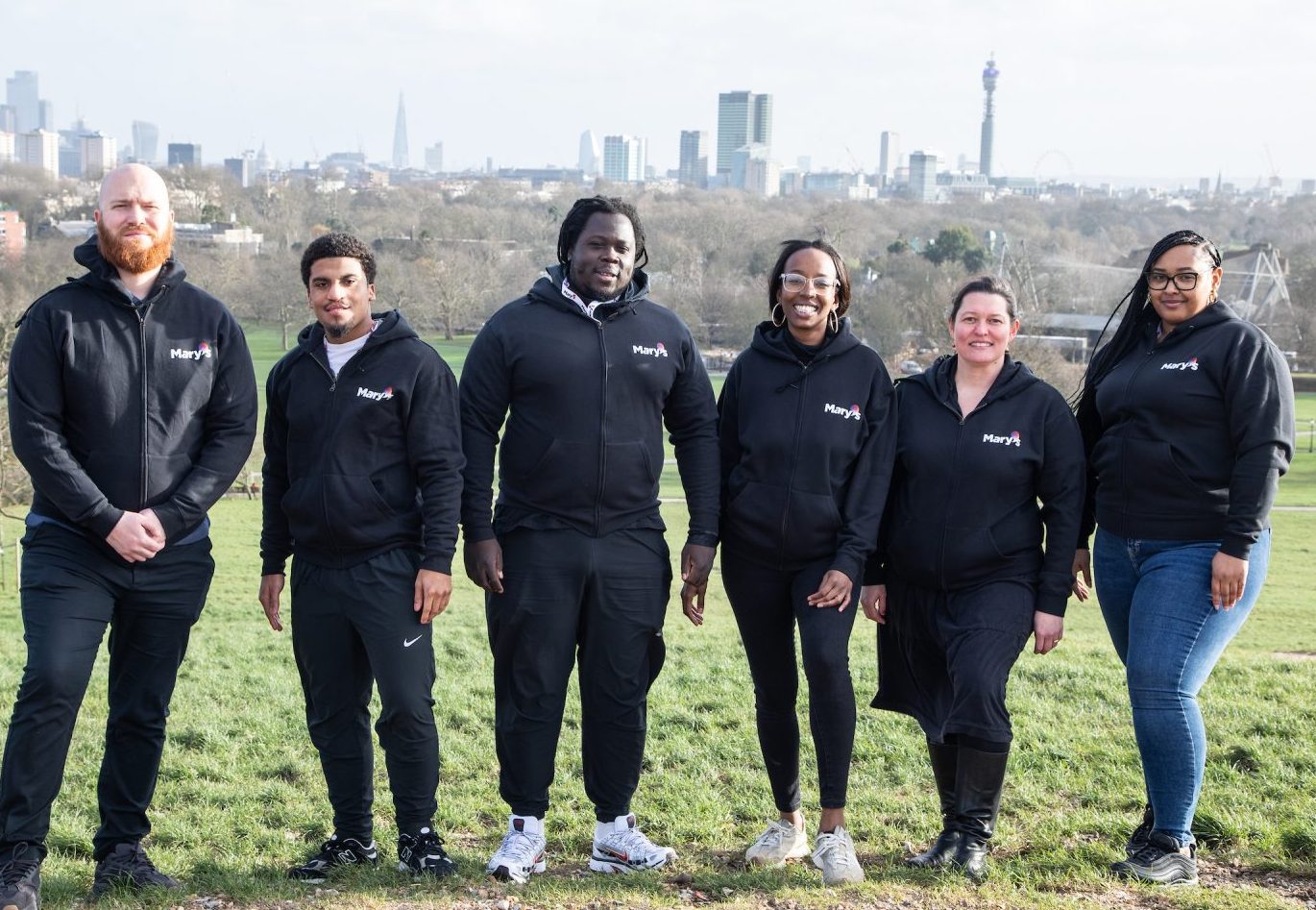
The Mary’s team of 12 deals each year with 300 young people, each at high risk of violent behaviour, and we are in touch with 1,000 more at-risk local youngsters.
So what actually works? Since Mary’s was founded in 2006, its leader Jason Allen has been fine-tuning a violence response model. Mary’s two symbiotic operations are 24/7 availability and learned therapeutic mentoring. What 24/7 availability means is that any child or young person, whether caught up in street violence, school exclusion, kidnapping or county lines crime, or just frightened, has the number of their Mary’s mentor. Day or night, phone calls will be answered. And we do this because violence builds and bad things happen outside office hours, when most other prevention services stop.
Mentoring at Mary’s recognises that trauma is often the precursor to violent behaviour by a young person, so we try to get to the root of the violence. Our research shows that 94% of young people we work with have experienced adverse childhood events, like neglect. A child who regularly misses education, or has a social worker, is twice as likely to become a victim of violence. A child who is in a gang, or carries a knife, or is in contact with the police, is four times more likely to experience being a victim of violence.
The hard work at Mary’s is effective, and also cost-effective. Our cost of operation last year was £695 per young person, which has to be worth it. We help with housing if home isn’t safe, education if school fails, self-esteem, trust, laughter with friends, hope for a new future, regular food, toiletries, daily homework sessions, someone to care.
Last year Mary’s prevented 63 street violence situations. At a conservative rate, we prevented 6 knife crimes by stabbing and 3 deaths. Our knife bin outside the church has collected 852 knives in the past 2 years, many because of Mary’s work.
Mary’s is proud to be situated in Primrose Hill. Our community helps in many ways: with finance, and supporting the work and research into why young people are at risk. If any reader who would like to help us, please get in touch.
To meet up or discuss our work, emailinfo@maryscharity.org
Photo by Vanessa Berberian