By Tom Selwyn
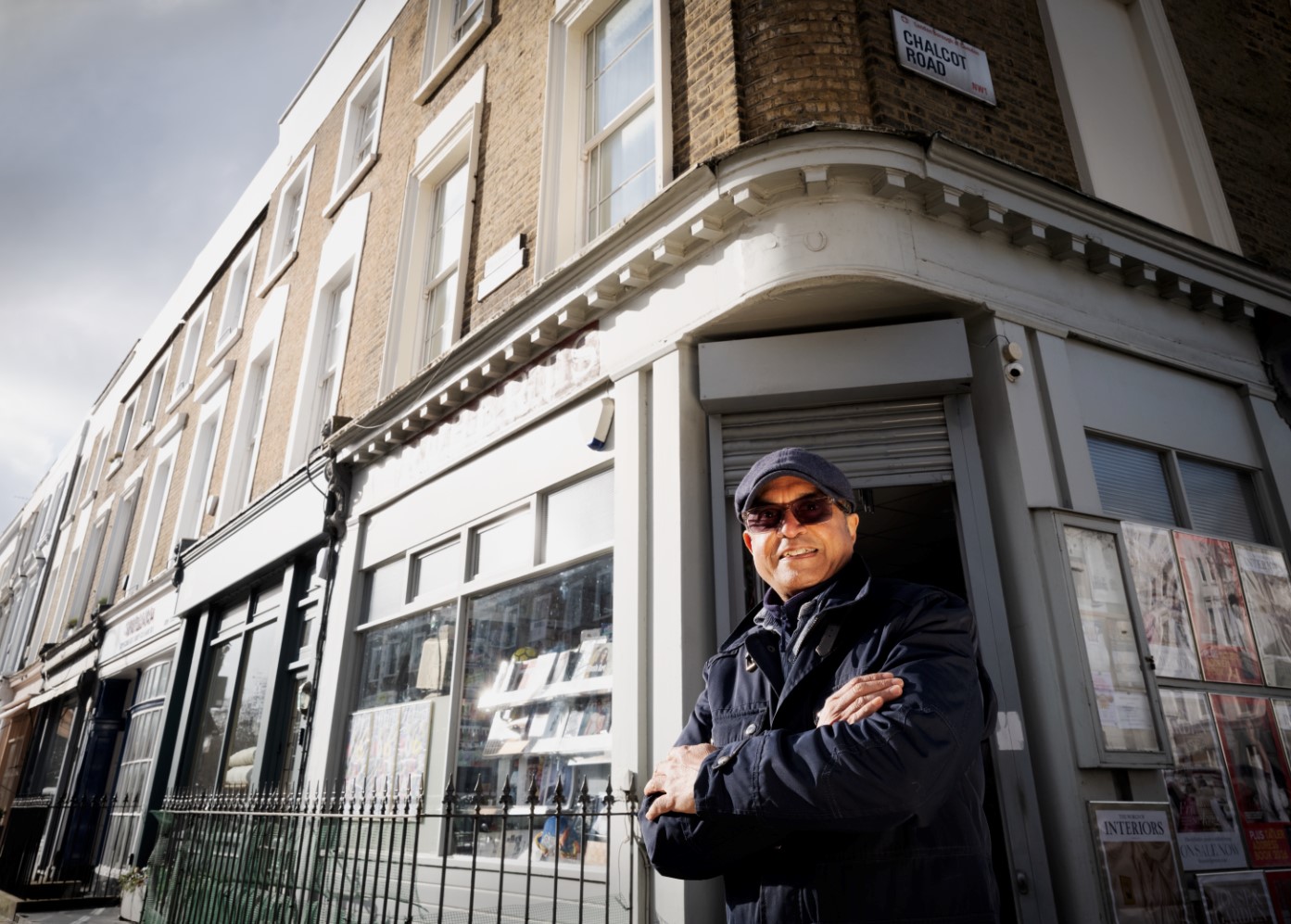
Kiran Patel, owner of Princess News, the friendly all-purpose corner shop opposite Primrose Hill Primary School, is one of the co-founders and main organisers of the Himalayan Health Initiative(HHI). This organisation is a network of voluntary medical-related personnel, including surgeons, doctors, nurses, educators and administrators mainly from the UK, engaged in bringing practical medical help and health education to a remote region of the Indian Himalayas.
HHI exemplifies a form of international cooperation that is a welcome contrast to the globalisation to which we are normally subject, where the superpowers are only interested in competitive principles of ‘Might is Right’. It is both refreshing and inspiring to encounter another form of globalisation, based upon the Hindu principle of service (Hindi: seva), which is dedicated to the well-being of the poor and needy residents of the world’s geographically peripheral regions.

HHI has a sister concern, registered with the government of India as the Mori Swasthya Foundation (MSF) as a non-profit organisation in 2021, which organises bi-annual free health camps in the Himalayan state of Uttrakhand. The geographical heart of HHI’s operations is the village of Kharasadi in Uttarkashi district, a small hill village surrounded by 20 or so neighbouring villages all practising small-scale subsistence agriculture. Landholdings are small and perched on terraces cultivating vegetables and fruit suited to rain-fed irrigation and natural springs. Animal husbandry includes rearing goats, sheep and other livestock such as cattle, that yield small cash earnings through sales of meat, milk and wool. Government-related efforts persist in encouraging the growth of wheat, millet and horticultural crops appropriate to temperate climates. There are also limited micro-enterprises, such as agro-processing and handicraft production. Remittances from family members abroad add to villagers’ incomes.
The village population numbers around 470 and is governed by a village council (gram panchayat). There is a clinic in the village serving as a primary health centre for residents living in Kharasadi and surrounding villages, including several at very high altitudes. The clinic is open six days a week. Patients walk in at any time to be registered and seen by the clinical staff, who take details of their health – weight, blood pressure, pulse and so on. Medical histories are taken, diagnoses made and medication provided if necessary. Throughout the year the clinic offers ante-natal and post-natal care and general primary healthcare. Three health professionals – two Auxiliary Nurse Midwives (ANMs) and a pharmacist – give advice and support to mothers about nutrition, hygiene, immunisation and breastfeeding.
Most HHI camps take place in the village clinic. The declared mission of HHI/MSF is “to provide quality primary healthcare services, maternal and infant services to the people of Uttrakhand, through a more personalised, kinder, professional and more family-friendly approach, focussing on prevention of diseases and health education for local healthcare workers and schoolchildren, and appropriate referrals to secondary and tertiary centres as required, free of charge to all patients”.
The guiding principles of HHI include working in collaboration with the local population, making use of local governmental and non-governmental infrastructure, providing healthcare provision and health education free at the point of care. Links with local secondary and tertiary healthcare facilities have been developed for appropriate referrals when needed. To support the work of the HHI clinic, a video link/telemedicine programme has been built with UK doctors and other healthcare professionals. Workshops and seminars are promoted focussing on hygiene, immunisation and breastfeeding, including addressing period poverty and the stigma around menstruation.
The network’s doctors also arrange for blood tests for regular patients with chronic conditions like hypertension, diabetes, and COPD, giving them appropriate treatment as required, all data being captured on the network’s electronic database. Future plans include expanding services into the remoter villages of the area using a mobile unit; setting up a secondary local clinic in one of the villages; establishing a monthly ophthalmology unit; and starting up a training centre for local health workers by UK professionals.
Kiran works within a team of colleagues with complementary medical and administrative skills and wide experience of medical networks. For instance, the UK-based ophthalmologist Dr Surendra Upadhyay, International Medical Co-ordinator of Sri Sathya Sai Global Council (SSSGC) and Kiran’s inspiration for joining the medical team, has organised and attended medical camps in Russia, the subcontinent and Africa. HHI conforms to the guiding principles of SSSGC founded by Sathya Sai Baba – acknowledged and recognised by the UN for his work in medical fields.
The work of HHI offers a counterbalance to the proliferation of individual insurance-based healthcare systems for the relatively wealthy in the global north, which exclude those on the economic and geographical periphery in the global south. Thanks to Kiran and his colleagues in HHI, Primrose Hill is now part of a global network that serves the needs of the poor and needy thanks to professionals drawn from London’s Indian community and their friends.
For further information about HHI or any questions please contact either Kiran or Vinit:
Kiran: kiransaicreation@hotmail.com
Vinit: hhimori7@gmail.com